Wiring Techniques for Control Cabinets
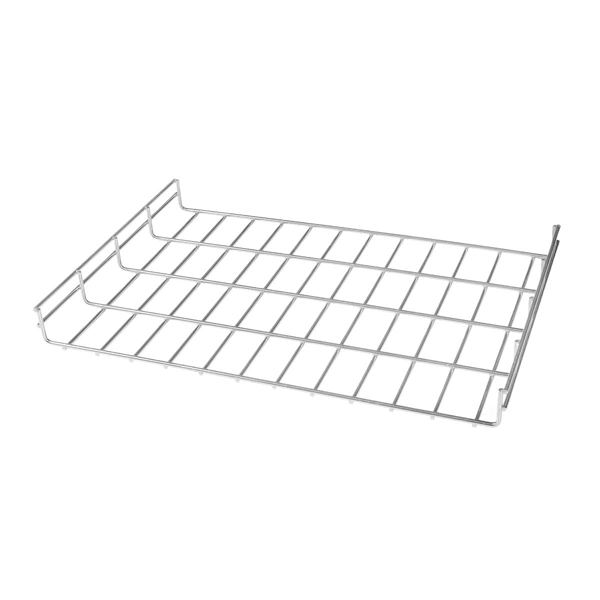
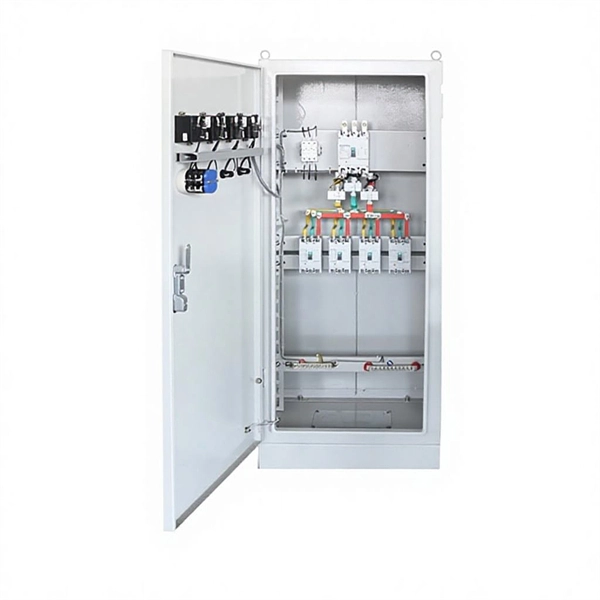
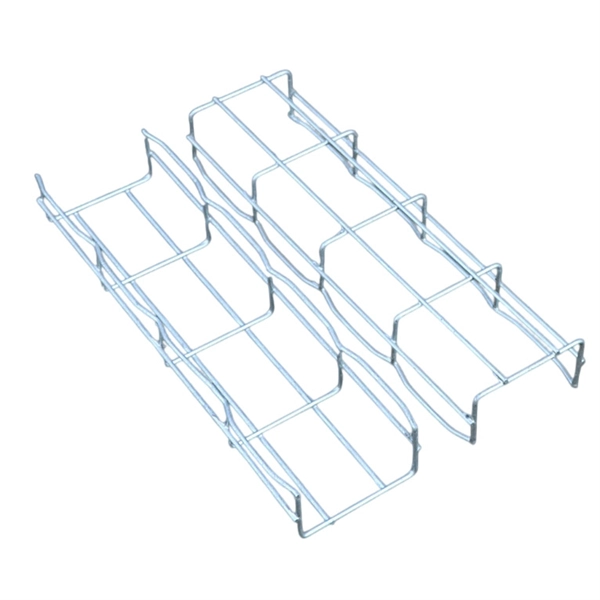
Proper wiring in factory control cabinets ensures safety, reliability, and efficient maintenance by following structured layout, correct cable selection, labeling, grounding, and modern connection methods.Key Wiring PrinciplesCable Selection and Sizing: Use wires with appropriate gauge and insulation for the voltage and current requirements, following standards like NFPA 79 for industrial control panels operating at 600 V or less. Thicker insulation prevents overheating and short circuits, while correct wire gauge ensures devices receive proper voltage and current flow . Routing and Organization: Group wires by function (power, signal, control) and separate high-voltage from low-voltage lines to reduce interference. Use wiring ducts, DIN rails, and cable trays to maintain a clean layout, improve airflow, and simplify troubleshooting . Avoid excessive wire lengths but leave service loops for future modifications or maintenance . Connection Methods: Modern techniques like WAGO Push-in CAGE CLAMP® technology allow fast, vibration-proof, and maintenance-free connections. Lever, push-button, or operating slot variants enable easy termination of solid, stranded, or ferrule-ended conductors, reducing wiring time and improving reliability . Labeling and Ferrules: Clearly number and label all wires. Use ferrules on stranded wires to prevent fraying and ensure consistent electrical contact. This improves safety, reduces connection failures, and facilitates troubleshooting . Grounding and Safety Circuits: Implement proper grounding for all components to prevent electrical hazards. Safety circuits should be wired in series where appropriate, ensuring that any open or faulty connection stops the machine, protecting both equipment and personnel . Maintenance and Standards Compliance: Follow NEC, IEC, and NFPA standards for wiring layout, separation, and support. Regularly inspect for loose terminals, damaged insulation, or improper routing, as these are common causes of failures .Additional Best PracticesKeep wiring neat and avoid crossing cables unnecessarily.Maintain adequate spacing around heat-generating components.Use color-coded wires for easy identification of voltage levels and functions.Document wiring diagrams and update them after modifications for future reference. By adhering to these techniques, factory control cabinets achieve enhanced safety, reduced downtime, and long-term reliability, while simplifying maintenance and future upgrades .