What materials does a cable tray factory need
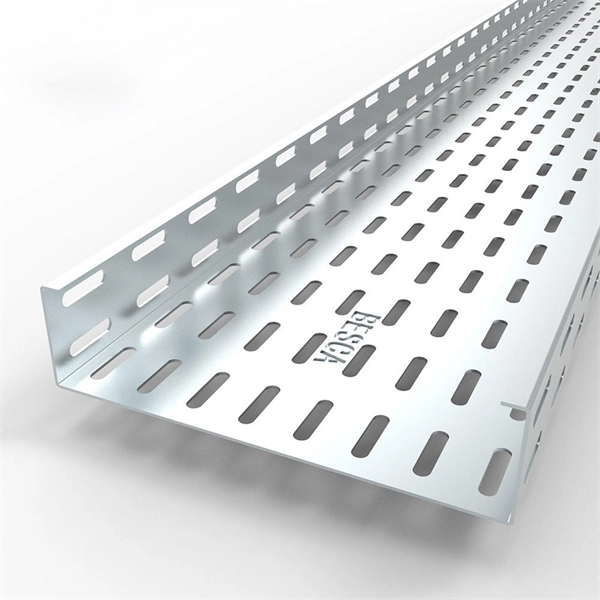
Cable trays are commonly made from steel, stainless steel, aluminum, and fiberglass, each chosen for specific strength, corrosion resistance, and environmental suitability.Common Materials1. Steel Steel is widely used for its strength and durability, making it suitable for heavy cable loads and industrial applications. It is often galvanized to improve corrosion resistance, providing a cost-effective solution for general environments ( ). 2. Stainless Steel Stainless steel offers superior corrosion protection, ideal for harsh or corrosive environments, including offshore or chemical facilities. Grades like AISI 316L are commonly used due to their high chromium content, which forms a protective oxide layer, enhancing resistance to rust and pitting ( ). 3. Aluminum Aluminum is lightweight, corrosion-resistant, and easy to form, making it suitable for applications where weight reduction is important, such as overhead installations or data centers. Its natural oxide layer provides protection against atmospheric corrosion ( ). 4. Fiberglass (FRP/GRP) Fiberglass-reinforced plastic is non-corrosive and ideal for chemical or outdoor environments. It offers a high strength-to-weight ratio and is resistant to moisture, chemicals, and UV exposure, making it suitable for specialized industrial applications ( ).Material Selection ConsiderationsLoad Requirements: Steel and stainless steel are preferred for heavy cable loads, while aluminum and fiberglass are suitable for lighter loads.Environmental Conditions: Stainless steel and fiberglass are ideal for corrosive or outdoor environments. Galvanized steel is suitable for moderate conditions.Cost and Weight: Aluminum and fiberglass are lighter and easier to handle, while steel is more economical for large-scale installations.Maintenance: Corrosion-resistant materials reduce long-term maintenance needs, especially in harsh environments ( ).SummaryChoosing the right cable tray material depends on load capacity, environmental exposure, weight considerations, and budget. Steel, stainless steel, aluminum, and fiberglass each offer unique advantages, allowing manufacturers and engineers to select the most appropriate material for specific applications ( ).