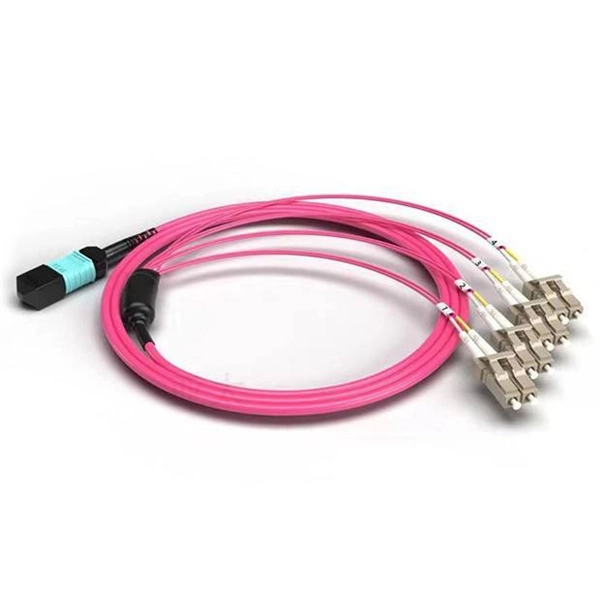
Basis for Compiling Construction Plans for Optical Fiber Cables
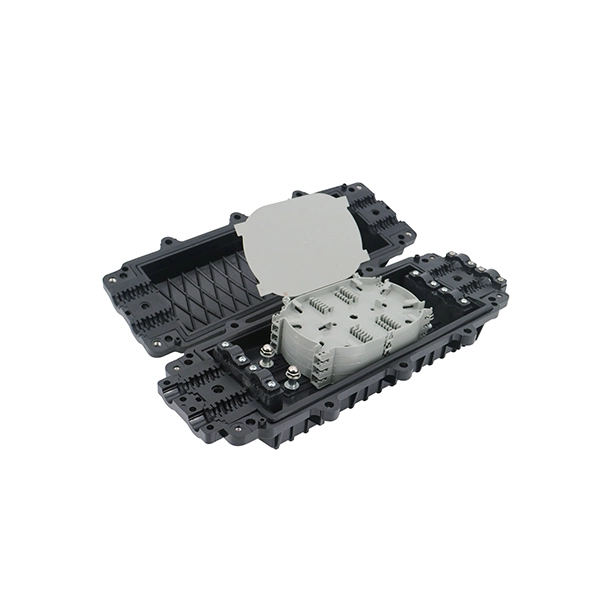
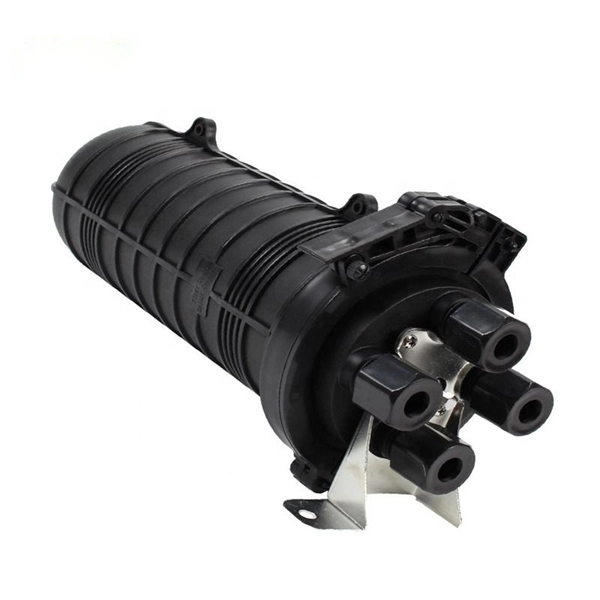
A successful optical fiber cable project requires careful planning, route design, regulatory compliance, installation, splicing, testing, and documentation to ensure a reliable and scalable network.1. Project Planning and Site SurveyThe first step is a site survey to assess the project area, including streets, terrain, existing utilities, and potential obstacles like waterways or buildings. Engineers map the most efficient routes and determine whether the fiber will be installed aerially on poles or underground in conduits. Central distribution points are identified, often using a Passive Optical Network (PON) architecture, which allows one central hub to serve multiple endpoints efficiently ( ).2. Regulatory Approvals and PermitsBefore construction, obtain all necessary permits and easements. Fiber routes may cross public rights-of-way or private property, requiring municipal approvals and private easements. Compliance with local regulations ensures safety, reduces legal risks, and maintains community trust ( ).3. Worksite PreparationNotify residents and businesses about upcoming work. Mark existing underground utilities using color-coded flags (red for electric, yellow for gas, orange for communications). Prepare trenches or poles according to the chosen installation method ( ).4. Fiber Cable InstallationAerial Installation: Cables are strung between utility poles using pulleys and tensioners, secured with clamps and spacers. This method is faster and less disruptive in suburban or rural areas ( ).Underground Installation: Cables are pulled through conduits or ducts. Micro-trenching is a minimally invasive technique suitable for urban areas, reducing traffic disruption and cost ( ).5. Splicing and TestingFiber sections are joined via fusion splicing to ensure uninterrupted signal transmission. After installation, the network undergoes testing for signal integrity, loss, and continuity. Proper labeling and documentation are critical to avoid future maintenance issues ( ).6. Backfilling and ReinstatementFor underground projects, trenches are backfilled with excavated soil, and warning tapes are placed before final restoration. Pavement or concrete is reinstated where necessary to restore the worksite ( ).7. Project Management and DocumentationEffective management is essential throughout the project lifecycle. This includes supervising technicians, coordinating schedules, monitoring compliance with standards (e.g., BICSI, FOA), and maintaining detailed documentation of routes, splices, and test results. Proper documentation ensures future scalability and troubleshooting ( ).8. Final DeploymentOnce splicing, testing, and documentation are complete, the network is connected to endpoints (e.g., homes, businesses, or data centers). Continuous monitoring and maintenance plans should be established to ensure long-term reliability ( ). By following these steps, a fiber optic cable project can be executed efficiently, safely, and in compliance with technical and regulatory standards, providing a robust foundation for high-speed communications.