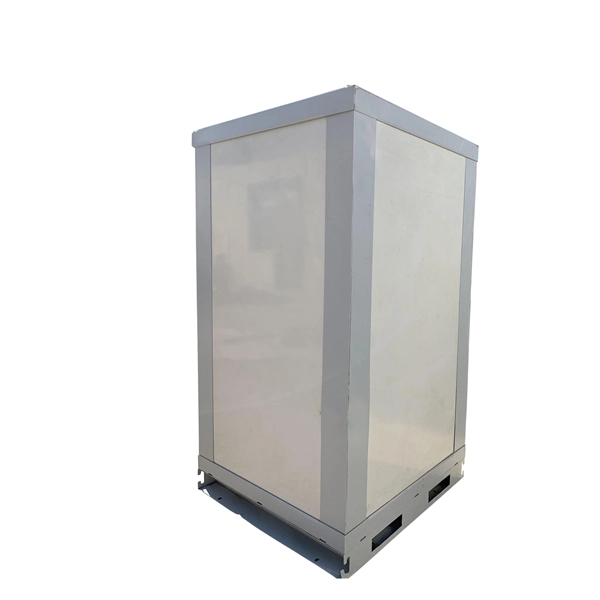
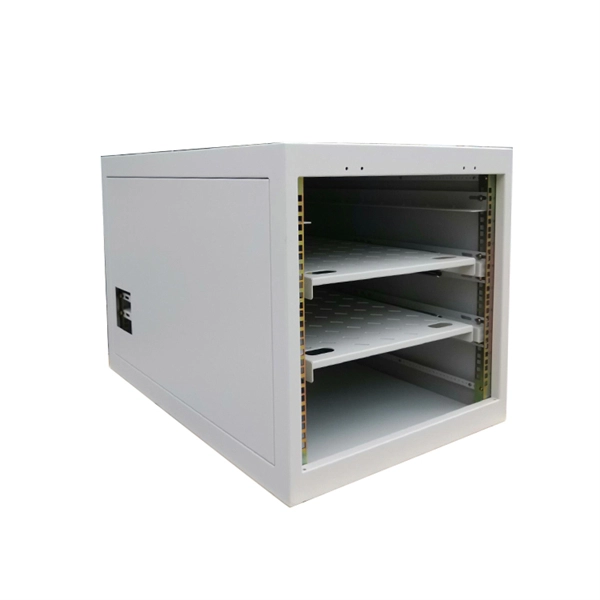
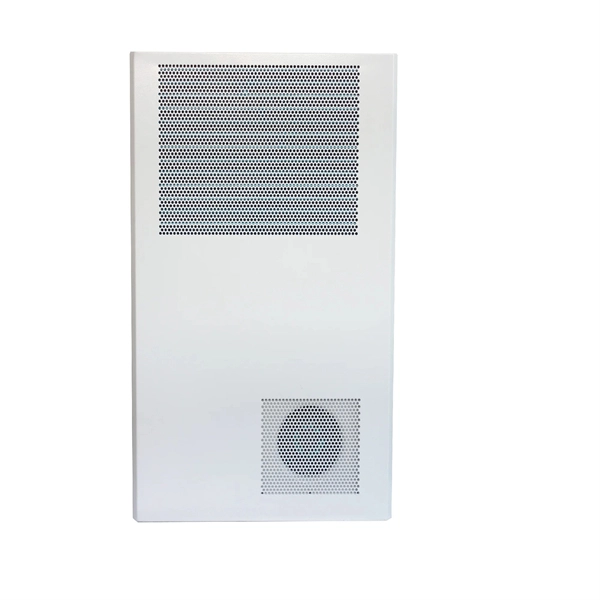
Installation Process of High Voltage Distribution Box
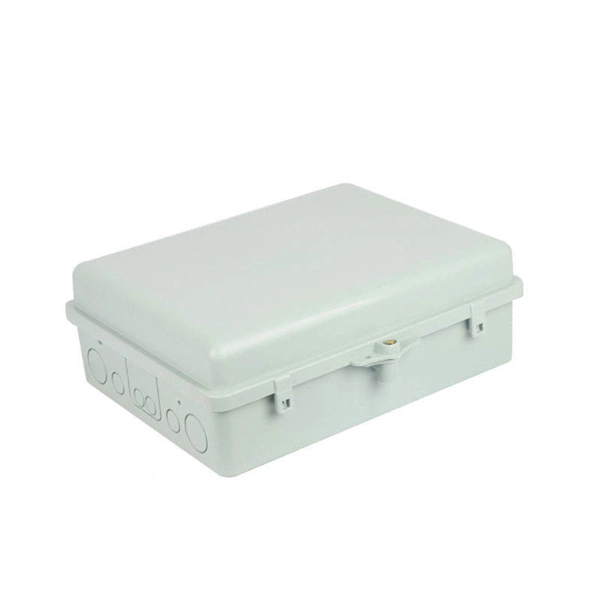
Installing a high-voltage distribution box requires meticulous preparation, precise positioning, secure wiring, proper grounding, and thorough testing to ensure safe and reliable operation.Pre-Installation PreparationSite Survey and Environmental Assessment: Ensure the installation area is dry, ventilated, and free from flammable, explosive, or corrosive substances. The surface should be horizontal, stable, and able to withstand vibrations, with an inclination not exceeding 3° . Outdoor installations require dustproof, flood-resistant, and corrosion-resistant conditions .Equipment Inspection: Unbox and inspect the distribution box for damage, verify specifications such as rated voltage, current, and short-circuit capacity, and confirm compliance with local standards .Tools and Materials: Prepare calibrated tools including screwdrivers, wire strippers, multimeters, and insulation resistance testers. Ensure all accessories like brackets, screws, and terminal blocks are intact .Safety Measures: Cut off power supply and verify with an electrical tester. Operators must wear insulating gloves, safety glasses, and slip-resistant shoes .Installation StepsPositioning and Mounting: Place the distribution box on the prepared foundation or guide rails, align with expansion bolts, and secure with screws or bolts. Ensure the box is level and stable .Grounding: Connect the main grounding busbar to the foundation grounding electrode. Ensure all branch cable grounding wires are securely connected to the box's grounding terminal, and the outer shell is properly grounded .Wiring and Terminal Connections: Strip insulation to the correct length, connect phase, neutral, and ground wires to their respective terminals, and secure connections with screws or crimping tools. Arrange wires neatly, fix with ties, and leave space for heat dissipation .Environmental Adjustments: For outdoor or desert installations, add rain covers, dust covers, or weather-resistant coatings to protect against sand, moisture, and corrosion .Post-Installation Testing and CommissioningInsulation Resistance Test: Use an insulation resistance tester to verify insulation between wires and the box meets standards .Circuit Verification: Check each circuit with a multimeter to ensure proper connectivity and absence of short circuits .Component Inspection: Confirm that busbars, cables, and connections are secure and functioning correctly .Handover Testing: Conduct on-site testing according to product specifications before energizing the system .Maintenance ConsiderationsClean the inner and outer surfaces, especially insulation components, at least once a year .Check insulation levels of main and auxiliary circuits every five years under normal operating conditions .Ensure power is cut off before performing maintenance or repairs . Following these steps ensures the safe, efficient, and reliable operation of high-voltage distribution boxes while complying with technical and safety standards .