How to connect network cables in the server rack
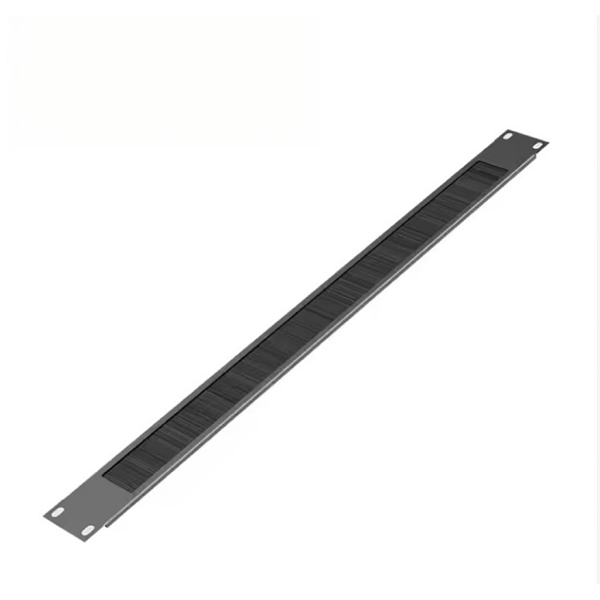
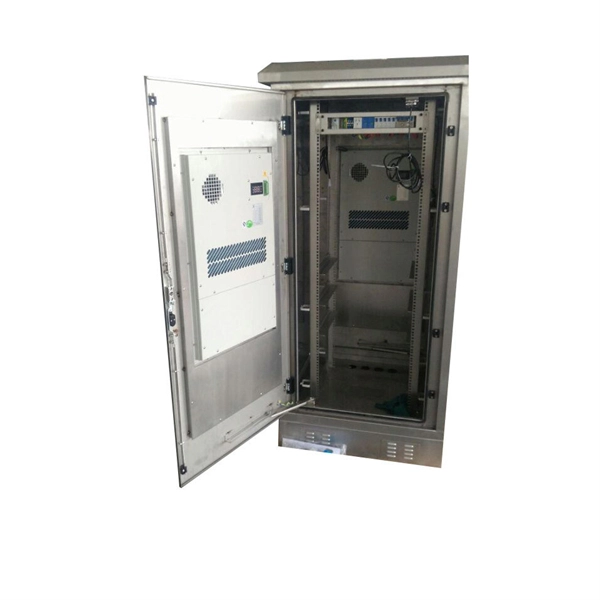
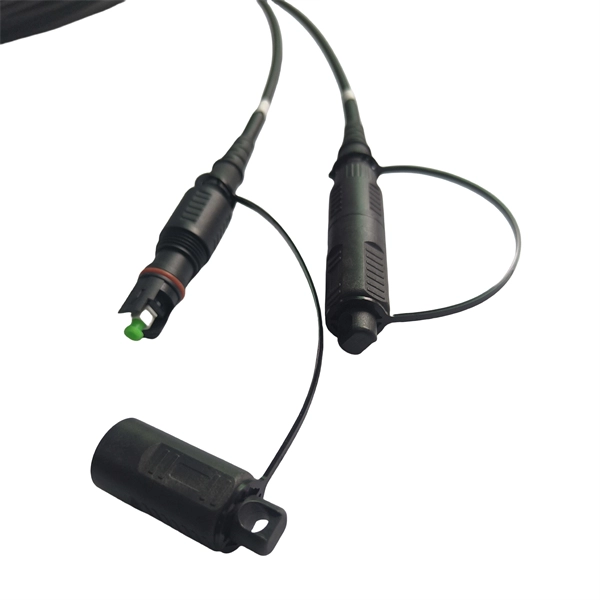
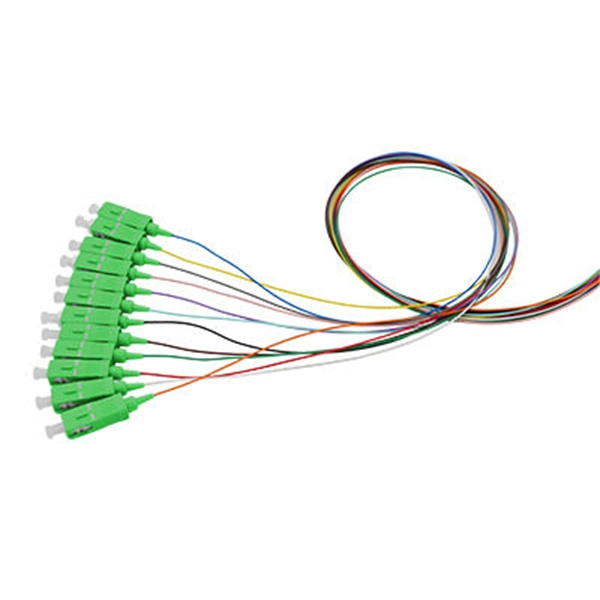
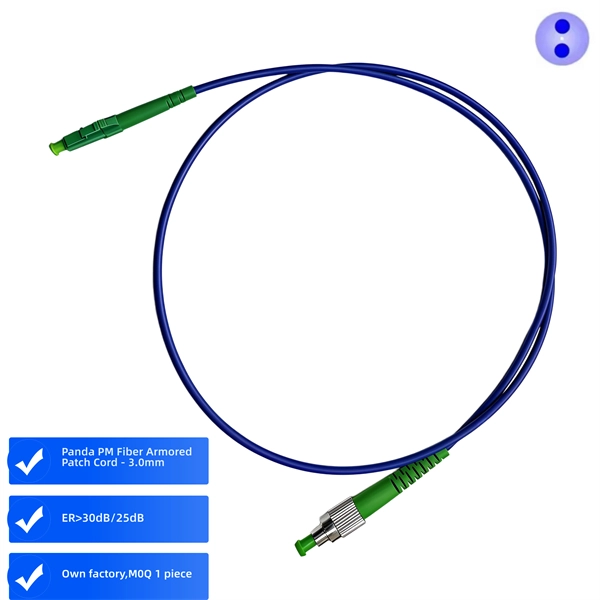
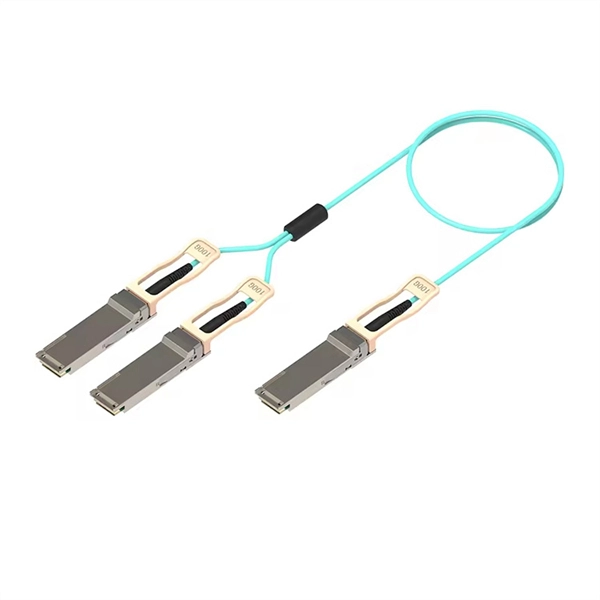
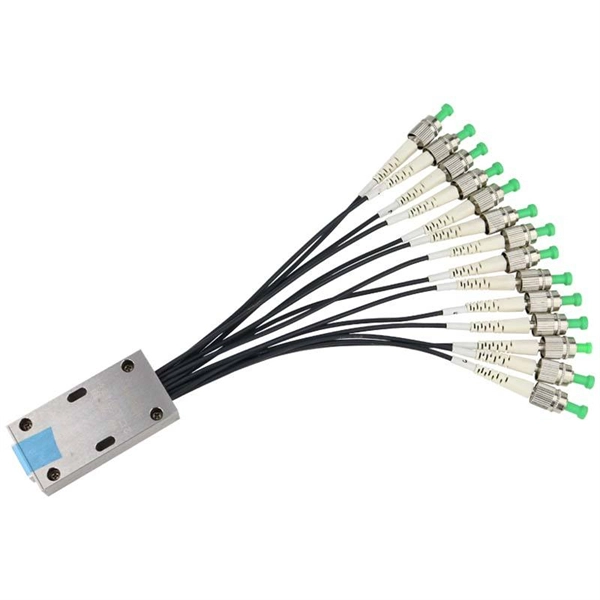
Connecting network cables to a server rack requires careful planning, proper cable selection, organized routing, and secure connections to ensure performance, safety, and maintainability.Planning Your Rack SetupBefore connecting any cables, assess your server rack layout. Identify all devices such as servers, switches, patch panels, and power distribution units (PDUs) and determine their positions within the rack. Consider the rack unit (U) height of each device, leaving extra space for airflow and future expansion. Typically, network switches and patch panels are 1U, while servers may occupy multiple units . Plan cable paths to avoid overlaps and ensure easy access for maintenance .Selecting the Right Cables and ConnectorsChoose cables based on your network requirements:Ethernet cables: Cat5e, Cat6, or Cat6a depending on speed and distance .Fiber optic cables: LC, SC, or ST connectors for high-speed or long-distance connections .Power cables: Ensure proper rating for your devices. Ensure connectors are compatible with your equipment. For Ethernet, use RJ-45 connectors and verify they are properly crimped for a secure connection .Routing and Organizing CablesUse patch panels as central hubs to simplify connections and future maintenance .Employ horizontal or vertical cable managers, D-rings, and trays to guide cables neatly and prevent tangling .Keep cables slightly longer than needed to avoid tension but avoid excessive slack that can clutter the rack .Color-code cables to identify functions, floors, or device types for easier troubleshooting .Securing and LabelingLabel both ends of each cable clearly to identify its source and destination .Bundle cables using Velcro straps rather than zip ties to allow flexibility and prevent damage .Maintain clear airflow paths by avoiding cable obstruction in front and rear of devices, which helps prevent overheating .Safety and MaintenanceEnsure the rack is properly grounded to prevent electrical hazards .Avoid overloading the rack with too many cables or heavy devices to prevent structural issues .Leave 20% of rack space empty for future expansion and easier maintenance . By following these steps—planning, selecting appropriate cables, routing neatly, labeling, and maintaining safety—you can achieve a well-organized, efficient, and reliable server rack network setup that simplifies troubleshooting and supports long-term performance .