Standard Configuration Distribution Box Installation Requirements
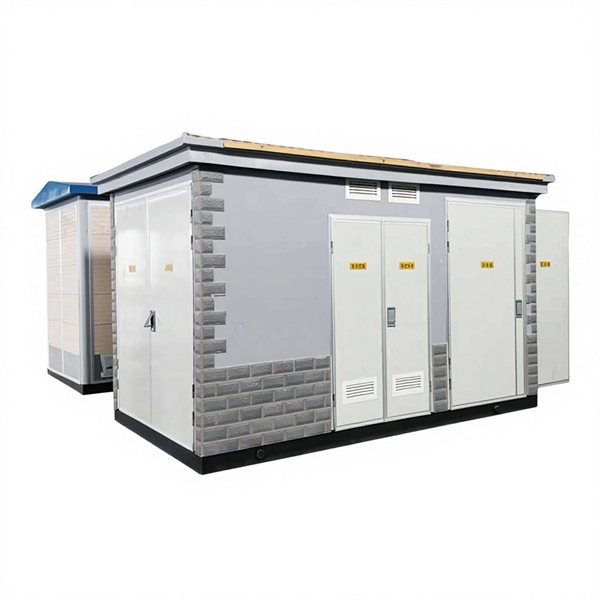
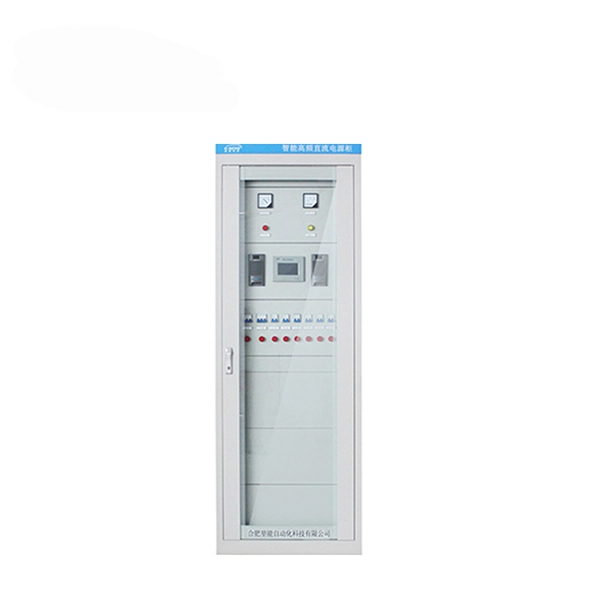
A standard distribution box installation involves selecting the right enclosure, proper placement, safe wiring, circuit protection, and compliance with electrical standards.Choosing the Right Distribution BoxSelect a distribution box based on the environment (indoor or outdoor), load capacity, and durability. Check the IP or NEMA rating to ensure protection against dust and water, especially for outdoor or industrial use. Enclosures are typically made of steel for durability or plastic for lighter indoor applications. Inside, the box contains circuit breakers, busbars, terminal blocks, and wires, often mounted on DIN rails for modularity and neat cable management .Installation LocationInstall in dry, ventilated areas, away from flammable, explosive, or corrosive substances .Ensure easy accessibility for maintenance and future upgrades.Maintain a recommended height of about 1.5 meters for residential boxes; industrial boxes may vary depending on surrounding equipment .Leave sufficient space around the box for ventilation and maintenance.Wiring and Circuit ProtectionUse proper wire gauge and insulation according to load requirements.Include protection devices such as MCBs, RCDs, RCBOs, fuses, and surge protectors, with each circuit having its own protection .Follow neat cable management practices and secure grounding.Prepare a wiring diagram showing feeders, protective devices, busbars, terminal numbering, and conductor sizes for clarity and compliance .Safety MeasuresEnsure power is completely cut off before installation and verify with a tester .Wear personal protective equipment: insulating gloves, safety glasses, and slip-resistant shoes.Use calibrated tools such as screwdrivers, wire strippers, multimeters, and insulation testers .Compliance and TestingFollow local electrical codes (NEC, IEC, BS 7671) and use UL/CE-certified components .Perform visual inspections and multimeter tests before powering on.Label all circuits clearly and maintain documentation for future inspections and maintenance .Maintenance and UpgradesSchedule regular inspections to ensure long-term reliability.Consider modular designs to simplify future upgrades or expansions.Keep revision-controlled wiring diagrams to facilitate troubleshooting and maintenance . By following these steps, a distribution box can be installed safely, efficiently, and in compliance with standards, ensuring reliable power distribution and protection for all connected circuits.