Distributed Temperature Measurement Fiber Optic Cable Splicing in Australia
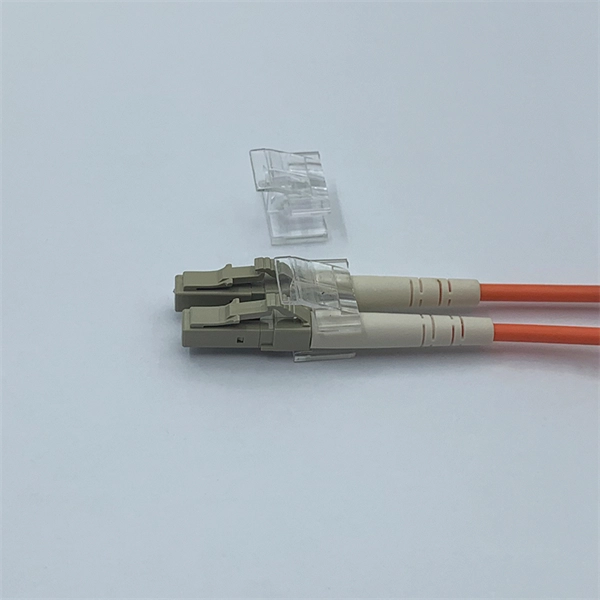
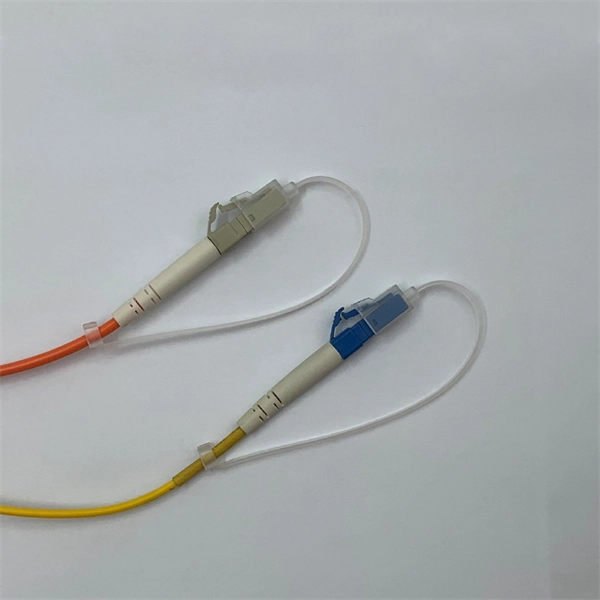
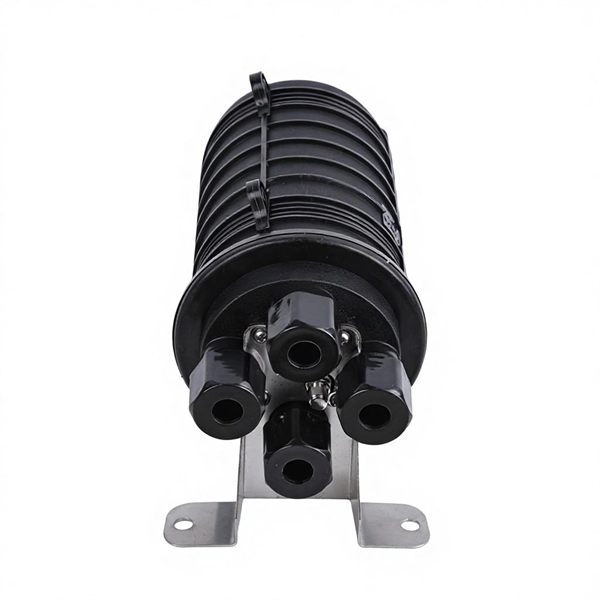
Distributed Temperature Sensing (DTS) in Australia uses fiber optic cables as continuous temperature sensors, requiring precise splicing and installation to ensure accurate, long-distance measurements.Overview of DTS TechnologyDistributed Temperature Sensing (DTS) systems measure temperature along the entire length of an optical fiber, using the fiber itself as the sensing element. Unlike traditional point sensors, DTS provides thousands of measurement points over distances up to 50 km or more, offering high-resolution thermal profiles for pipelines, power cables, tunnels, and industrial plants . DTS relies on Raman or Brillouin scattering combined with Optical Time Domain Reflectometry (OTDR) to determine the temperature at each point along the fiber .Fiber Optic Cable Splicing ConsiderationsSplicing is a critical step in DTS deployment to maintain signal integrity and measurement accuracy. Key considerations include:Fusion Splicing: The most common method, where fiber ends are precisely aligned and fused using an electric arc. This minimizes insertion loss and backscatter variations, which is essential for accurate temperature readings .Connectorization: In some installations, connectors may be used, but they introduce higher losses and are generally avoided in long-distance DTS applications.Cable Type: Standard telecommunications fiber can be used, but specially designed sensing fibers may improve measurement range and sensitivity .Environmental Protection: In Australian mining or industrial environments, cables are often installed in protective conduits or within drill holes to withstand mechanical stress, moisture, and temperature extremes .Installation Practices in AustraliaAustralian deployments of DTS have been demonstrated in mining, power, and pipeline monitoring. For example, Mining3/CSIRO implemented a DTS system in a 500 m deep underground mine in South Australia, using durable fiber optic cables in HQ diamond drill holes connected to surface interrogators . Best practices include:Pre-testing fibers with OTDR to verify continuity and loss before splicing.Using battery-powered or rack-mounted interrogators depending on field or permanent installations .Integrating DTS data into operational systems for real-time monitoring of temperature, strain, or structural health .ApplicationsDTS fiber optic splicing and installation in Australia support:Power cable monitoring: Detecting hot spots and preventing failures.Pipeline surveillance: Leak detection and thermal profiling.Mining safety: Monitoring ground temperature and strain in deep underground operations.Industrial plants: Continuous temperature monitoring over large areas for HSE compliance .SummarySuccessful DTS deployment in Australia requires high-quality fiber splicing, careful cable selection, and proper integration with interrogators. Fusion splicing is preferred for long-distance, high-resolution measurements, and protective installation methods are essential in harsh environments. DTS provides a cost-effective, continuous, and precise temperature monitoring solution across multiple industries, from mining to energy infrastructure .