Distribution box cover installed backwards
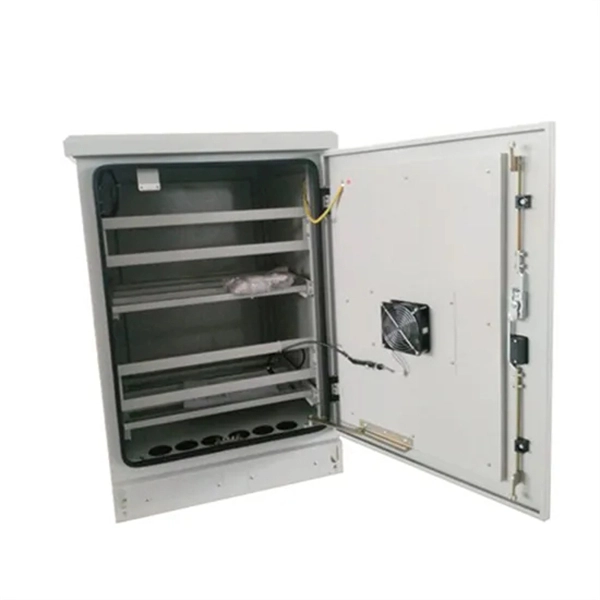
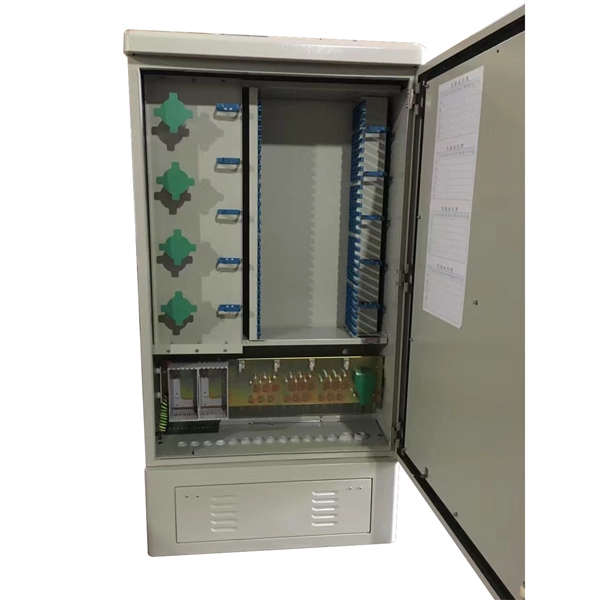
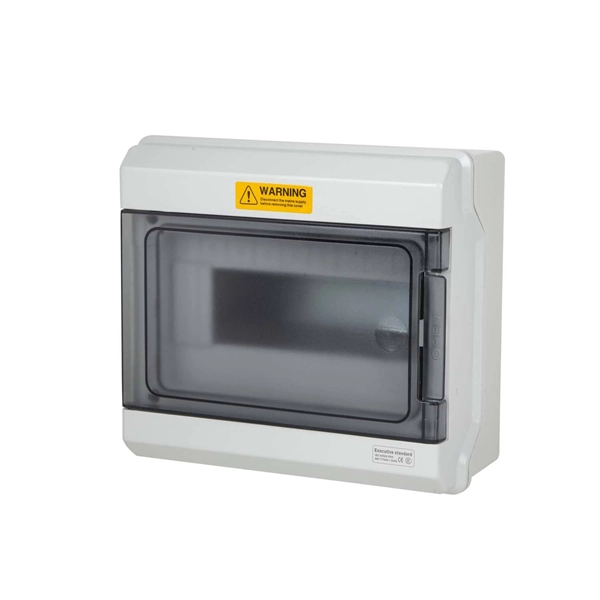
Installing a distribution box cover backwards can compromise safety, protection, and accessibility, and should be corrected immediately.Electrical Distribution BoxesFor electrical distribution boxes, the cover serves as a protective barrier that prevents accidental contact with live components, shields against dust and moisture, and ensures compliance with safety standards like NEC, IEC, or local codes . Installing the cover backwards can lead to:Exposed live parts: Some panelboards have a dead front design, but a misaligned cover may leave busbars or breaker terminals partially exposed, increasing the risk of electric shock .Reduced protection: IP or NEMA ratings may be compromised, allowing dust, water, or debris to enter the enclosure, potentially causing short circuits or corrosion .Improper fit and ventilation: A backwards cover may not align with mounting points or ventilation slots, affecting airflow and heat dissipation, which can reduce the lifespan of breakers and wiring .Difficulty in maintenance: Labels, breaker access, and modular components may be harder to reach, increasing the risk of errors during servicing . Corrective action: Remove the cover and reinstall it according to the manufacturer's orientation markings. Ensure that all screws, hinges, and latches are properly aligned, and verify that the cover fully encloses the live components before powering the system.Septic System Distribution Boxes (D-Boxes)In septic systems, a D-box cover installed incorrectly can affect effluent distribution. The cover itself does not directly influence flow, but improper installation may indicate misalignment of the box or inlet/outlet ports, which can lead to:Uneven effluent distribution: Effluent may flow preferentially to one lateral, causing overloading and standing water in the drain field .Access issues: A backwards or misaligned cover can make inspection, maintenance, or cleaning difficult, increasing the risk of unnoticed clogs or backups .Structural stress: If the cover is forced into the wrong orientation, it may crack or fail, exposing the box to debris or surface water . Corrective action: Ensure the D-box is level and the cover is oriented according to the manufacturer's markings. Check that all inlet and outlet ports are properly aligned and that the cover provides a secure seal.General RecommendationsAlways follow manufacturer instructions for cover orientation.Verify that safety and protection standards are maintained after installation.Perform a visual inspection and, for electrical boxes, a multimeter test to ensure no live parts are exposed before use .Schedule regular maintenance to confirm the cover remains properly seated and the box functions as intended. Correcting a backwards cover promptly ensures both safety and operational reliability, whether in electrical or septic distribution systems.